

Menopause is a natural phase of life, yet it can bring a range of physical and emotional changes that affect how you feel, move, think and sleep. While each woman’s experience is unique, common symptoms include changes in energy, mood, body composition and joint or muscle comfort. The good news? Nutrition can play a powerful role in helping you manage symptoms and feel stronger and more in control.
A multidisciplinary approach can help women through all stages of menopause. Understanding what’s changing in your body and how to support it with tailored nutrition, training and recovery strategies can make a significant difference.
Chiropractic care can also play a valuable role during this transition. By addressing postural changes, joint stiffness and spinal alignment, chiropractic can help reduce musculoskeletal discomfort and improve mobility. Gentle, specific adjustments may support nervous system function, enhance body awareness and contribute to better sleep and stress management. Many women find that regular chiropractic care helps them stay active, reduce aches and pains, and feel more balanced throughout menopause.
So lets talk about:
– How hormonal changes affect nutritional needs
– The key nutrients to focus on
– Practical tips to reduce fatigue, brain fog, joint aches and more
What Happens to Your Body During Menopause?
Menopause typically occurs between ages 45 and 55, signalling the end of your reproductive years. During this transition, levels of oestrogen and progesterone decline — affecting nearly every system in the body.
Oestrogen helps to:
– Maintain muscle mass and bone density
– Regulate blood flow and body temperature
– Support brain function and mood
– Promote joint and skin health
As these hormone levels fall, many women experience:
– Hot flushes and night sweats
– Sleep disruption
– Mood swings or “brain fog”
– Weight gain (especially around the midsection)
– Muscle and joint stiffness
– Increased risk of osteoporosis
Hormone replacement therapy (HRT) can be helpful, but nutrition and lifestyle changes are equally essential for symptom relief and long-term health.
Smart Nutrition for Menopause: 6 Key Focus Areas
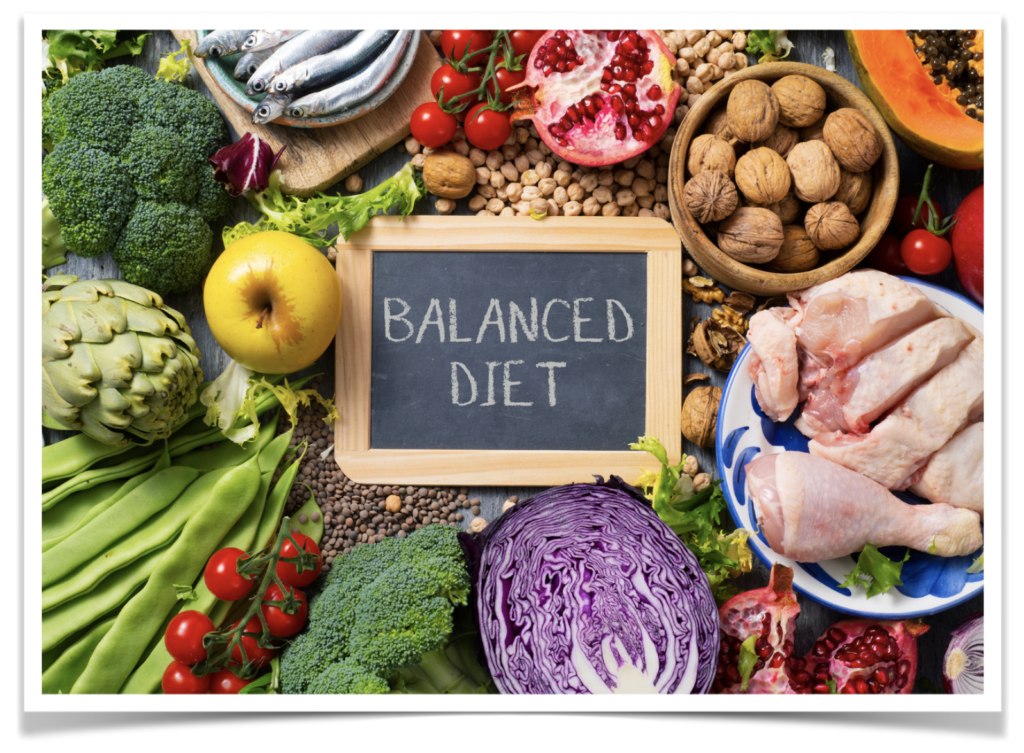
1. Protein for Strength and Recovery
Muscle loss is more common during menopause due to reduced oestrogen. To support lean muscle and metabolism:
– Aim for 1.6–2g of protein per kg of body weight daily (about 80–100g for most women)
– Include a protein source at every meal: eggs, fish, poultry, tofu, legumes, or Greek yoghurt
– Add protein-rich snacks: boiled eggs, edamame, protein smoothies
2. Calcium and Vitamin D for Bone Health
Bone density can drop rapidly post-menopause. Key sources include:
Calcium: dairy, leafy greens, almonds, fortified plant milks
Vitamin D: oily fish, eggs, fortified foods, and sunlight (supplements may be needed in the UK)
3. Phytoestrogens for Hormone Support
These plant compounds mimic oestrogen and may reduce hot flushes:
This is found in soy products (tofu, edamame), flaxseeds, sesame seeds, lentils, chickpeas. Include this regularly in your diet for gentle hormonal support
4. Healthy Fats for Hormones and Inflammation
Fats help with hormone production and brain health:
– Eat oily fish (salmon, sardines), nuts, seeds, avocado, olive oil
– Limit processed fats and consider an omega-3 supplement
5. B Vitamins, Magnesium & Iron for Energy
Nutrient needs shift during menopause. Common deficiencies may cause fatigue and brain fog:
– B6, B12, folate: support brain function and energy
– Magnesium: aids muscle recovery and sleep
– Iron: important for energy but may decrease in need post-menopause
Good sources: whole grains, eggs, leafy greens, legumes, seeds, lean meats
6. Antioxidants to Ease Aches and Inflammation
Help reduce joint and muscle discomfort with anti-inflammatory foods:
– Colourful fruits and vegetables, green tea, turmeric, ginger, garlic
– Follow a Mediterranean-style diet rich in whole foods, healthy fats, and fibre.

Targeted Nutrition for Common Menopausal Symptoms
Brain Fog & Mood Swings
– Eat regular, balanced meals to stabilise blood sugar
– Prioritise omega-3s, B vitamins, complex carbs (oats, brown rice)
– Stay hydrated — even mild dehydration can impact focus
Joint & Muscle Aches
– Include omega-3s and antioxidants
– Eat protein consistently
– Add magnesium-rich foods (dark chocolate, pumpkin seeds)
Hot Flushes & Night Sweats
– Avoid alcohol, caffeine, spicy foods and refined sugar
– Include flaxseed and soy products
– Try magnesium and vitamin E for additional support
Sleep Disturbances
– Avoid caffeine after midday
– Eat tryptophan-rich foods in the evening: oats, yoghurt, turkey
– Herbal teas (chamomile, valerian root) may help
Fatigue
– Combine complex carbs with protein for steady energy
– Snack smart: Greek yoghurt, hummus, wholegrain crackers
– Ensure adequate iron, B12 and vitamin D
Weight Gain or Body Composition Changes
– Emphasise resistance training and high-protein meals
– Cut down on processed foods
– Increase fibre for digestion and satiety
A Sample Day of Menopause-Supportive Eating
Breakfast: Greek yoghurt + flaxseeds + berries + oats
Snack: Boiled egg + almonds
Lunch: Salmon + chickpea salad + spinach + olive oil dressing
Snack: Hummus + carrot sticks or protein smoothie
Dinner: Chicken or tofu stir-fry + mixed veg + brown rice
Evening: Herbal tea + pumpkin seeds
Menopause isn’t the end of vitality — it’s a powerful transition. With the right nutritional strategies, exercise habits and mindset, you can thrive in this phase and beyond.
Chiropractic care can further enhance this journey by addressing the physical stresses that may intensify during menopause. Supporting spinal alignment, easing joint discomfort, and helping regulate the nervous system can make a meaningful difference to your overall wellbeing and resilience.
Support from qualified health professionals can help you create a personalised plan that aligns with your goals, symptoms and lifestyle.
If you know someone who could benefit from this blog post, please share it with them. We offer a complimentary spine check to anyone who is interested in how chiropractic may be able to help them.